Astek Diagnostics Expands R&D to Wound Effluent Samples in Collaboration with SC2i and Supported by NSF Grant
Baltimore, MD - September 19, 2024
Astek Diagnostics (Astek") is excited to announce its strategic expansion into testing wound effluent samples, made possible through a newly executed Research Agreement with the Henry M. Jackson Foundation for the Advancement of Military Medicine (HJF) and the Uniformed Services University of the Health Sciences’ Surgical Critical Care Initiative (SC2i). SC2i, a renowned center funded by the Defense Health Program, plays a pivotal role in collecting critical biofluid samples from both civilian and military patients to advance biomarker-driven clinical decision support tools (CDSTs) that improve patient outcomes.
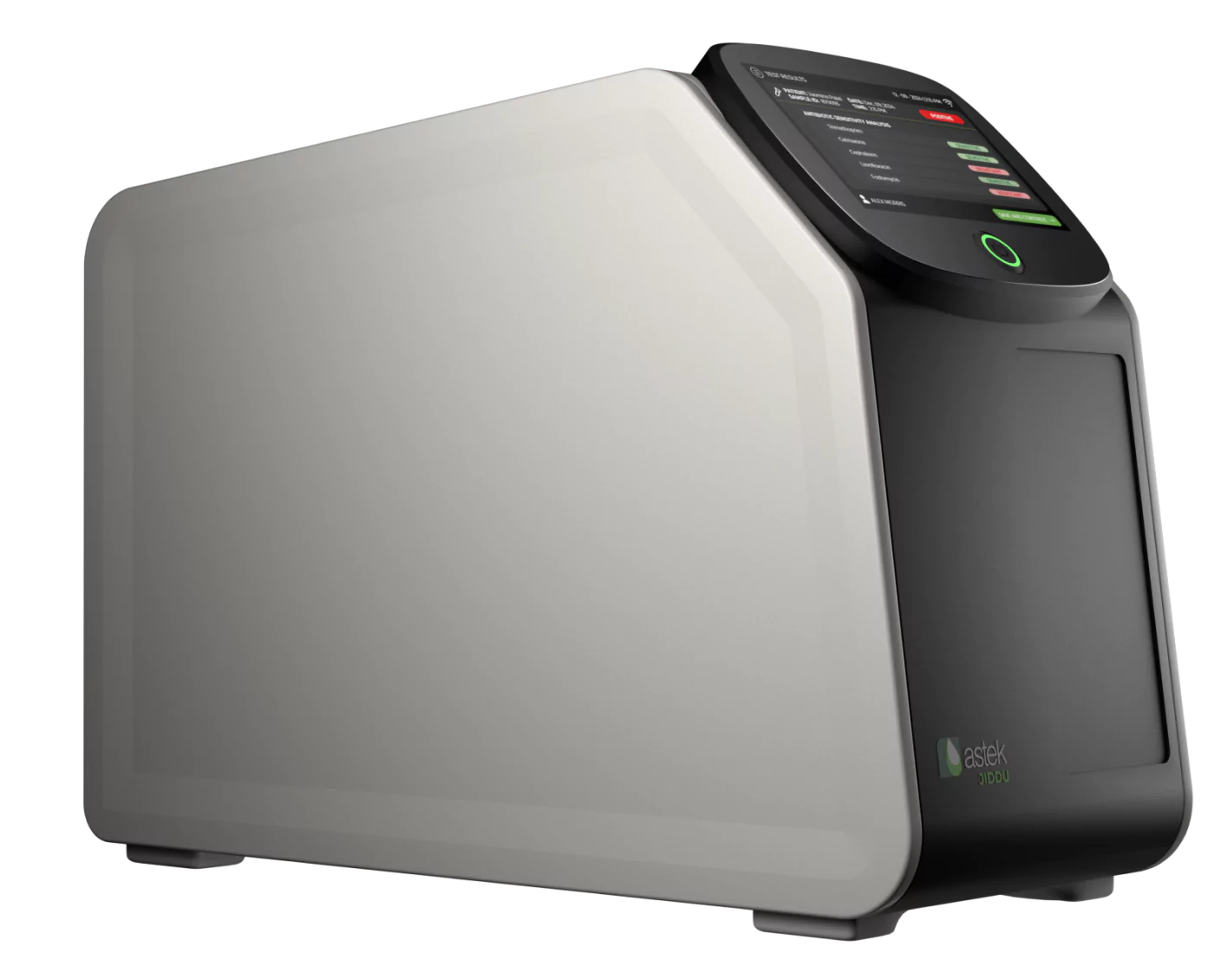
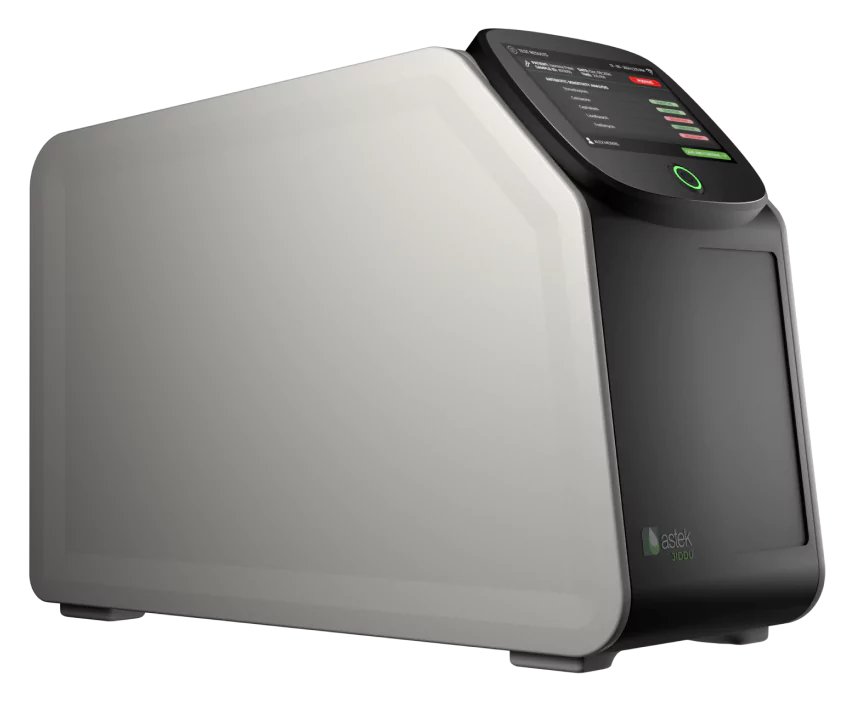
This cutting-edge partnership is anchored by an Accelerated Pilot Study aimed at testing, validating, and refining Astek's revolutionary Jiddu™ Platform to include wound effluent samples. As part of this collaboration, Astek will test wound exudate samples from study participants during pre- and post-debridement surgery stages. This work will be key in finalizing the testing protocols, as well as further enhancing and expanding the scope of the Jiddu™ technology.
The pilot study is a component of a larger recently-awarded U.S. National Science Foundation (NSF) Phase II SBIR grant, with nearly $1 million allocated over two years. This NSF-backed project will support Astek’s efforts to adapt the Jiddu™ Platform to accommodate a wider array of biofluids, including cerebrospinal fluid (CSF) and wound exudate, further demonstrating the versatility and scalability of the technology.
"We are thrilled to advance our collaboration with SC2i, one of the most innovative institutions in trauma and surgical research," said Mustafa Al-Adhami, PhD, Founder & CEO at Astek Diagnostics. "After reading one of their groundbreaking studies, I reached out in hopes of collaborating on a significant public health problem. With the support of the NSF, this partnership will allow us to push the boundaries of diagnostic technology and create a new standard for treating complex wounds."
The rise of multidrug antibiotic resistance (MDR) poses a significant threat to the treatment of bacterial infections, especially in military settings. With fewer new antibiotics being developed, complementary strategies, including early diagnostic tools, are urgently needed to prevent and manage combat-related wound infections and sepsis, particularly in delayed or prolonged care environments. To address this growing threat and critical gap, SC2i has partnered with Astek Diagnostics to explore point-of-care device capabilities. This collaboration focuses on developing a rapid, transportable point-of-care (POC) device by leveraging Astek’s Jiddu™ Platform to enable one-hour bacterial infection confirmation and antibiotic sensitivity testing. By optimizing infection diagnosis in trauma-related wounds, this partnership aims to improve wound care in austere environments where access to advanced medical facilities is limited.
This significant step forward in Astek’s R&D pipeline not only strengthens its position at the forefront of wound care innovation but also enhances the Jiddu™ Platform’s capacity to deliver precise, data-driven diagnostics that can improve outcomes for patients in critical care settings.
About Astek Diagnostics:
Astek is a precision diagnostics company developing the Jiddu™ Platform to confirm bacterial infections and assess antibiotic sensitivity across multiple sample types: urine, CSF, would effluent, and blood. Astek has prioritized going to market in 2025 with a urine-based test which identifies urinary tract infections and antibiotic sensitivity in one hour. The company is part of the Y Combinator (S21) and has received support from Harvard University, NSF, FDA, BARDA, NIH and numerous VC funds and angel investors.
About SC2i:
SC2i, a Uniformed Services University of the Health Sciences (USU) research center, is a consortium of six federal and non-federal entities: HJF, USU, Duke University, Emory University, Walter Reed National Military Medical Center, and Decision Q. Its mission is to advance the care of critically ill combat casualties and civilian patients by leveraging precision medicine approaches that integrate biomarkers, clinical data, and artificial intelligence. SC2i harnesses clinical and assay data from critically ill service members and civilian patients to develop biomarker-driven clinical decision support tools with the goal of improving clinical outcomes and reducing costs across the injury/disease cycle. SC2i focuses on innovative approaches to research, biomarker discovery and implementation science to push the frontiers of science. Through engagement with partners within the DoD as well as civilian academic surgeons, SC2i’s research is used to enhance, evolve and refine best practices for the care of critically injured patients.
About NSF:
The U.S. National Science Foundation is an independent federal agency that supports science and engineering in all 50 states and U.S. territories. The NSF was established in 1950 by Congress to promote the progress of science, advance national health, prosperity and welfare, and secure national defense. Its investments account for about 25% of federal support to America's colleges and universities for basic research: research driven by curiosity and discovery. The NSF also supports solutions-oriented research with the potential to produce advancements for the American people.